

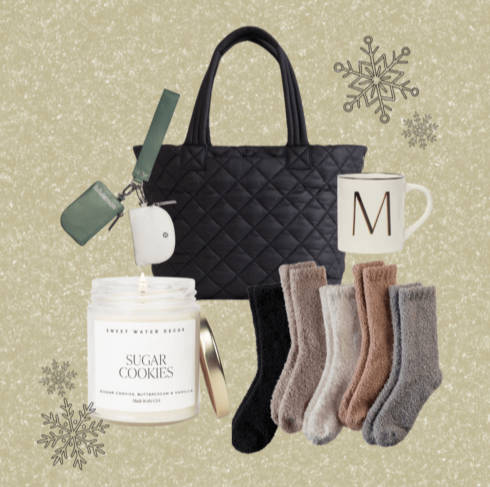
Practicality remains the foundation of meaningful gifts in a professional setting. Items that integrate seamlessly into a coworker’s daily routine are most valued. A compact desk organizer, a set of high-quality pens, reusable water bottles, or a small planner can enhance productivity and daily comfort without creating clutter or distraction. I have seen repeatedly that these functional gifts are consistently used and appreciated, often more than decorative or expensive novelty items. Choosing gifts that serve a purpose conveys attentiveness and respect while remaining professional.
Subtle personalization adds another layer of impact. A small gift can feel significant when it aligns with a coworker’s interests or habits. For instance, a colleague who enjoys sketching may appreciate a portable sketchpad, while someone who drinks tea might value a sampler of artisanal blends. Over time, these small, customized touches help convey recognition of individuality without being intrusive. I’ve found that even simple personalization, like choosing a favorite color or including a handwritten note, can elevate an everyday item into a memorable gesture that strengthens professional rapport.
Edible and consumable gifts are particularly effective when selected with care. A small box of chocolates, a package of high-quality coffee, or a snack assortment can brighten a coworker’s day and create a shared experience without overstepping boundaries. Considering dietary restrictions, preferences, and office culture ensures that these gifts are received positively. In my experience, such thoughtful consumables often spark casual conversation, reinforcing camaraderie and a sense of shared appreciation among colleagues.
Wellness-oriented gifts provide an additional dimension of value. Compact items that promote comfort, stress relief, or mindful breaks can support daily routines and show genuine concern for a coworker’s well-being. Examples include desk-friendly stress balls, ergonomic accessories, or small mindfulness journals. I have observed that these types of gifts are especially appreciated in fast-paced environments, as they not only demonstrate thoughtfulness but also contribute to healthier, more focused work habits.
Maintaining a reasonable budget is critical for professional appropriateness. Extravagant gifts can create discomfort or social pressure, while modest, well-chosen items demonstrate thoughtfulness without imposing. Small but meaningful gifts—quality stationery, useful gadgets, or practical accessories—often leave the most lasting impression. I have consistently guided teams in selecting budget-conscious items that maximize perceived value and practical utility, reinforcing relationships without exceeding financial or social boundaries.
Context and presentation further enhance the effectiveness of gifts. Including a short note acknowledging a recent contribution, expressing appreciation, or offering encouragement can transform a simple item into a meaningful gesture. I’ve observed that even a modest gift feels significantly more thoughtful when accompanied by sincere words, conveying respect and attentiveness while maintaining professionalism. This approach ensures that gifts foster positive interactions rather than feeling obligatory or perfunctory.
Long-term usability and relevance are essential considerations. Gifts that remain useful over time—rather than being forgotten or discarded—demonstrate foresight and genuine care. A reusable coffee cup, a sturdy notebook, or a versatile desk accessory integrates into daily routines and continuously reminds the recipient of the thoughtfulness behind the gift. By prioritizing long-term utility, gift-givers ensure that even small, budget-friendly presents have enduring impact.
Ultimately, the most effective small gifts for coworkers are those that balance practicality, subtle personalization, wellness, and professional appropriateness. Thoughtful selection, attention to individual preferences, and careful presentation transform modest items into meaningful gestures. Over time, these gifts strengthen professional relationships, foster goodwill, and contribute to a positive office culture where recognition and consideration are valued.
In conclusion, selecting small but meaningful gifts for coworkers requires insight, intentionality, and an understanding of workplace dynamics. Prioritizing utility, thoughtful personalization, budget-consciousness, and context ensures that gifts are appreciated, used, and remembered. Even on a modest budget, carefully chosen items can have a lasting positive impact on professional relationships, supporting engagement, collaboration, and a culture of respect and acknowledgment within the office environment.

Liam Harrison
Liam Harrison is a gift giving expert with years of experience in finding the perfect presents.
You Might Also Like
Comments
-
Reply
Michelle Durant
Jun 23, 2025, 11:45 am
This article really goes beyond the usual “buy a notebook” advice. I especially liked the focus on how small changes—like better lighting or an ergonomic setup—can actually improve a student’s daily study experience. It’s refreshing to see gift ideas explained in terms of real impact, not just aesthetics.
-
 Reply
ReplyRonda Otoole
Jun 23, 2025, 11:45 am
As someone who struggles every year to find meaningful gifts for students, this guide was genuinely helpful. The emphasis on personalization and wellness made me rethink how gifts can support both academic life and mental health, not just grades.
 Reply
ReplyJames Whitley
Jun 23, 2025, 11:45 am
I appreciate how this post addresses boundaries while still offering thoughtful, practical gift ideas. The suggestions feel appropriate, respectful, and genuinely useful for students at different stages, especially those balancing heavy workloads.
-
 Reply
ReplyKimberly Chretien
Jun 23, 2025, 11:45 am
The section on budget-friendly gift options was spot on. Not everyone can afford expensive tech, but curated kits and subscriptions are smart alternatives. This article proves that meaningful gifts don’t have to be costly to be effective.
-
 Reply
ReplyMichelle Durant
Jun 23, 2025, 11:45 am
What stood out to me most is how these gift ideas are designed to integrate into daily routines. Instead of novelty items that get forgotten, the recommendations here encourage long-term habits, productivity, and personal growth. Definitely bookmarking this for future reference.