

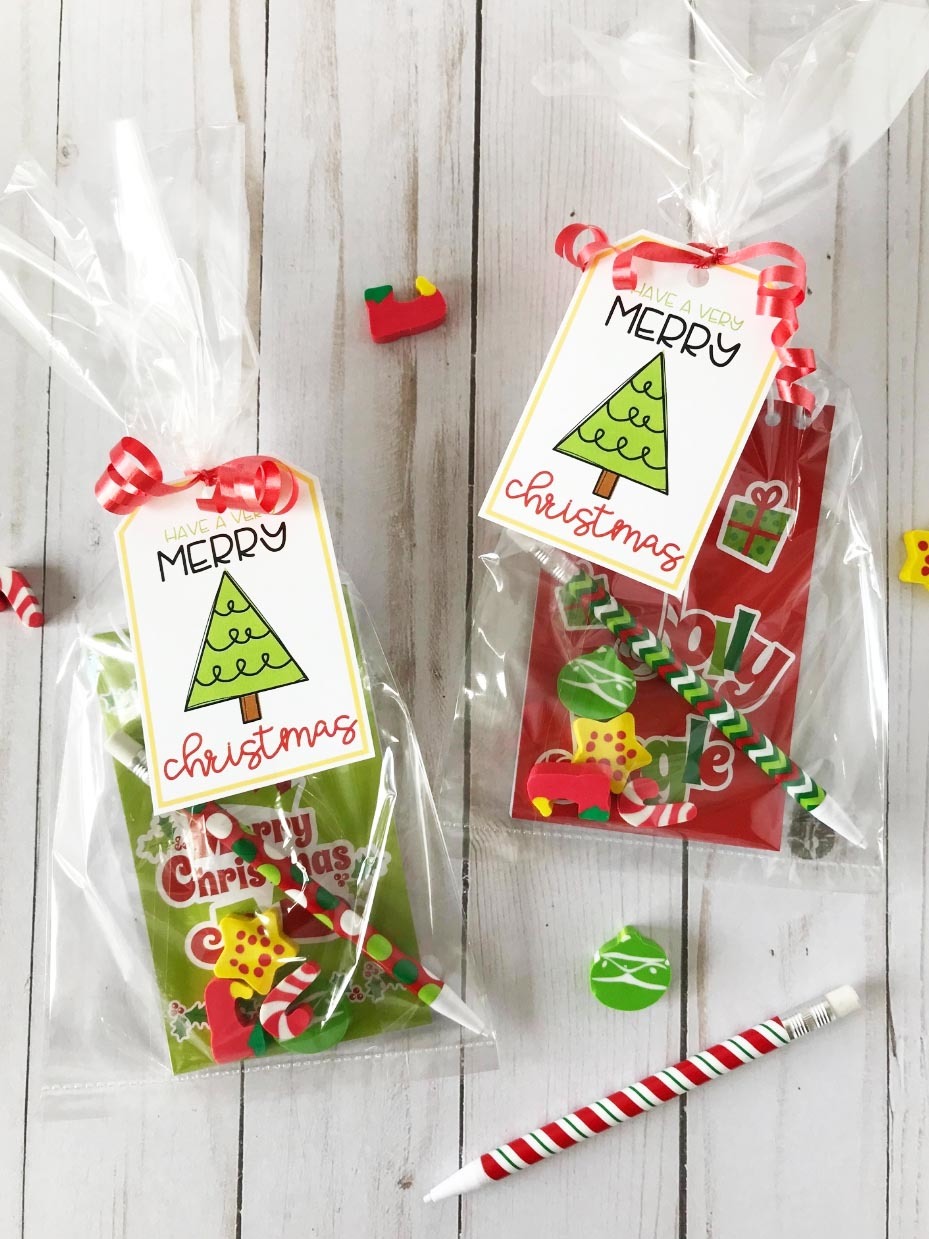
Practicality is the foundation of meaningful gift-giving, especially for students juggling academic responsibilities, extracurricular activities, and social obligations. Tools that support study habits, time management, or organization tend to have lasting value. Items such as high-quality planners, modular desk organizers, durable notebooks, or digital accessories for note-taking can help students establish productive routines. In my experience, a planner or calendar paired with a few personalized suggestions on goal-setting or time management becomes a daily companion rather than a one-time novelty.
Beyond purely academic tools, gifts that foster creativity and personal development are particularly valuable. Students often seek outlets to explore hobbies, learn new skills, or unwind creatively. Art supplies, DIY kits, creative writing journals, or compact musical instruments provide opportunities for self-expression and personal growth. Thoughtful personalization, such as choosing items aligned with the student’s interests or preferred aesthetic, enhances the connection without being intrusive. Over the years, I’ve observed that students respond positively to gifts that acknowledge their individuality and encourage skill-building beyond the classroom.
Wellness-oriented gifts are increasingly relevant in today’s fast-paced academic environment. Students face pressure from multiple directions, including coursework, exams, and social commitments. Gifts that support mental and physical well-being—such as reusable water bottles, ergonomic accessories, guided journals, or small mindfulness tools—can provide tangible benefits that extend far beyond the holiday season. In my professional experience, these gifts signal thoughtful awareness of students’ overall health, creating a supportive gesture that remains entirely appropriate in the educational context.
Another effective approach is to consider gifts that encourage continued learning in subtle, engaging ways. Subscriptions to educational apps, online courses, or access to digital resources allow students to explore topics of interest at their own pace. For example, a subscription to a language learning platform or an online science experiment kit can stimulate curiosity while providing tangible skill-building opportunities. These gifts balance entertainment with enrichment, extending their utility long after the holidays have passed.
Budget-conscious curation is often more impactful than lavish or expensive gifts. Simple, well-chosen items can resonate deeply if they demonstrate thoughtfulness and understanding of the student’s needs. Motivational books, compact study tools, or small personalized desk accessories frequently leave a stronger impression than costly or decorative items. From my perspective, thoughtful selection and attention to the student’s interests consistently create memorable, meaningful experiences.
Guidance on usage can significantly enhance the value of practical gifts. Even the most useful items may go underutilized if the student is unsure how to incorporate them into daily routines. A brief note or suggestion—such as tips on time management, organization, or creative exercises—can transform an ordinary gift into a tool for growth and development. In my experience, students appreciate when gifts are accompanied by subtle guidance, demonstrating both expertise and genuine care.
Finally, meaningful holiday gifts for students require intentionality and reflection. Each student is unique, and the best gifts reflect an understanding of their individual learning style, interests, and daily habits. By carefully combining practicality, creativity, and long-term usefulness, educators and gift-givers can offer presents that enrich students’ lives and support their personal and academic growth. Thoughtful curation ensures that gifts are not only appreciated during the holiday season but continue to provide value, encouragement, and inspiration long after the festive period concludes.
In summary, selecting Christmas gifts for students that remain useful beyond the holiday requires insight, creativity, and care. Prioritizing practical tools, fostering creativity, supporting wellness, and providing subtle guidance allows gifts to have lasting impact. When approached with thoughtfulness and awareness of each student’s needs, holiday presents can become meaningful companions that enhance learning, encourage personal growth, and leave a lasting impression that resonates far beyond the holiday season.

Olivia Carter
Olivia Carter is a gift giving expert with years of experience in finding the perfect presents.
You Might Also Like
Comments
-
Reply
Michelle Durant
Jun 23, 2025, 11:45 am
This article really goes beyond the usual “buy a notebook” advice. I especially liked the focus on how small changes—like better lighting or an ergonomic setup—can actually improve a student’s daily study experience. It’s refreshing to see gift ideas explained in terms of real impact, not just aesthetics.
-
 Reply
ReplyRonda Otoole
Jun 23, 2025, 11:45 am
As someone who struggles every year to find meaningful gifts for students, this guide was genuinely helpful. The emphasis on personalization and wellness made me rethink how gifts can support both academic life and mental health, not just grades.
 Reply
ReplyJames Whitley
Jun 23, 2025, 11:45 am
I appreciate how this post addresses boundaries while still offering thoughtful, practical gift ideas. The suggestions feel appropriate, respectful, and genuinely useful for students at different stages, especially those balancing heavy workloads.
-
 Reply
ReplyKimberly Chretien
Jun 23, 2025, 11:45 am
The section on budget-friendly gift options was spot on. Not everyone can afford expensive tech, but curated kits and subscriptions are smart alternatives. This article proves that meaningful gifts don’t have to be costly to be effective.
-
 Reply
ReplyMichelle Durant
Jun 23, 2025, 11:45 am
What stood out to me most is how these gift ideas are designed to integrate into daily routines. Instead of novelty items that get forgotten, the recommendations here encourage long-term habits, productivity, and personal growth. Definitely bookmarking this for future reference.